Cross-Platform Personal Branding: How to Build a LinkedIn + Twitter Strategy That Works
Should you focus on LinkedIn or Twitter? It's the wrong question. The founders building the strongest personal brands aren't choosing—they're strategically combining both platforms to amplify their reach and deepen their influence without doubling their workload.
Influence Craft Team
Content Team
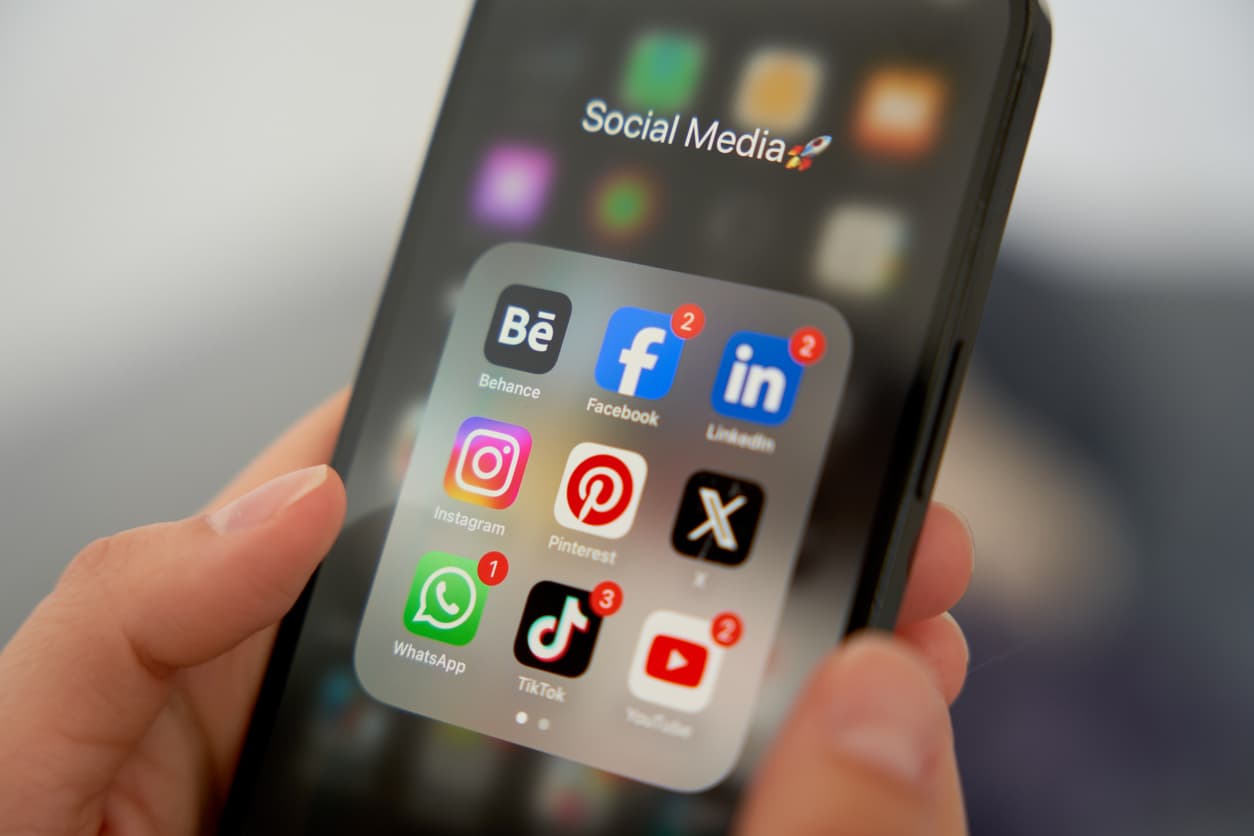
Should you focus on LinkedIn or Twitter? It's the wrong question. The founders building the strongest personal brands in 2025 aren't choosing—they're strategically combining both platforms to amplify their reach and deepen their influence.
Each platform has distinct strengths. LinkedIn excels at professional credibility and B2B relationships. Twitter (X) dominates real-time conversation and tech/startup communities. Together, they create a presence greater than either alone.
But cross-platform doesn't mean cross-posting. Success requires understanding each platform's unique culture, then creating a coordinated strategy that leverages both without doubling your workload.
Understanding Platform Differences
Before building a combined strategy, you need to understand what makes each platform unique.
LinkedIn: The Professional Stage
LinkedIn is where professionals come to learn, network, and advance their careers. The culture is:
- Professional but increasingly personal: Business insights mixed with career stories and lessons learned
- Long-form friendly: Posts can be substantial, and documents/carousels perform well
- Slower-paced: Content has longer shelf life, conversations develop over days
- Algorithm-driven: The algorithm favors engagement in first hour and native content
- B2B dominant: Decision-makers across industries are highly active
Twitter (X): The Conversation Hub
Twitter is where ideas spread, debates happen, and communities form around shared interests. The culture is:
- Fast and casual: Real-time conversation, informal tone, personality forward
- Short-form native: Punchy thoughts win, though threads allow depth
- Community-centric: Tight-knit communities around topics (FinTwit, Tech Twitter, etc.)
- Reply-driven: Engagement through conversation matters more than broadcast
- Startup/tech heavy: Founders, VCs, and tech workers are highly concentrated
Why Both Matters
Each platform reaches different people in different contexts. Someone might follow you on LinkedIn for industry insights but engage with you on Twitter for real-time takes. Having presence on both expands your total addressable audience and creates multiple touchpoints for building relationships.
The Unified Content Strategy
A cross-platform strategy isn't about creating twice as much content. It's about creating content once and adapting it intelligently.
The Core Idea Approach
Start with core ideas—insights, experiences, or perspectives that are platform-agnostic. These become the raw material for platform-specific content.
One core idea might become:
- A detailed LinkedIn post with context and examples
- A punchy Twitter thread with the key insights
- A single provocative tweet to spark discussion
- A LinkedIn document breaking down the concept
Platform-Native Adaptation
Adaptation isn't just reformatting—it's reimagining content for each platform's culture.
For LinkedIn:
- Add professional context and business implications
- Include specific examples and case studies
- Use a slightly more polished tone
- End with questions that invite thoughtful discussion
For Twitter:
- Lead with the most compelling or provocative point
- Keep language casual and conversational
- Embrace brevity—say more with less
- Invite replies rather than formal engagement
The Content Distribution Matrix
Not every piece of content belongs on both platforms. Use this framework:
Both platforms: Evergreen insights, industry perspectives, personal lessons, career advice
LinkedIn-first: Professional achievements, detailed case studies, company updates, career milestones
Twitter-first: Hot takes, real-time commentary, tech opinions, casual observations, quick wins
Building Your Cross-Platform Workflow
Efficiency is everything when managing multiple platforms. Here's a workflow that maximizes output while minimizing effort.
The Weekly Planning Session
Spend 30-60 minutes weekly planning your content across both platforms:
- Identify 3-5 core ideas for the week
- Decide which platforms each idea suits
- Note adaptation needs for each platform
- Schedule creation time in your calendar
Batched Creation
Create content in batches rather than one-off posts. When you're in creative mode, stay there—write multiple LinkedIn posts or draft a week of tweets in one session. Context-switching between platforms kills efficiency.
Strategic Scheduling
Don't post the same idea on both platforms simultaneously. Stagger them:
- Post the detailed LinkedIn version first
- Wait 24-48 hours, then share the Twitter adaptation
- Or reverse: test an idea on Twitter first, expand what resonates on LinkedIn
This approach lets you test ideas, avoid audience overlap fatigue, and maximize each piece of content.
Engagement Windows
Block specific times for engagement on each platform. Trying to engage everywhere all the time leads to burnout. Instead:
- LinkedIn: 15-20 minutes in the morning, focused on commenting and responding
- Twitter: 10-15 minutes multiple times daily, participating in conversations
Voice Consistency Across Platforms
Your voice should be recognizable across platforms while adapting to each context—like how you might speak differently at a conference versus a coffee shop while still being authentically you.
Core Voice Elements to Maintain
- Perspective: Your unique angle on topics should be consistent
- Values: What you stand for shouldn't change between platforms
- Expertise: Your areas of authority remain the same
- Personality: Your core humor, warmth, or directness carries through
Adjustable Elements
- Formality: More polished on LinkedIn, more casual on Twitter
- Length: Expansive on LinkedIn, concise on Twitter
- Topics: Some topics fit one platform better than the other
- Engagement style: Thoughtful responses on LinkedIn, quicker exchanges on Twitter
Cross-Platform Synergy Tactics
The real power of multi-platform presence comes from strategic synergy—using each platform to strengthen the other.
Cross-Promotion Done Right
Occasionally reference your presence on the other platform, but do it with purpose:
- When a Twitter thread goes deep on a topic, mention you wrote more on LinkedIn
- When a LinkedIn post sparks interesting discussion, invite people to continue on Twitter
- Share highlights from one platform's conversation on the other
The Testing Ground Strategy
Use Twitter to test ideas before investing in LinkedIn content. Tweet a quick thought—if it resonates, expand it into a full LinkedIn post. This approach ensures you're investing deep content creation in ideas that have proven appeal.
Relationship Migration
When you build a meaningful connection on one platform, look for them on the other. This deepens relationships and ensures you're visible wherever they're active.
Content Atomization
One substantial LinkedIn post can become five tweets. One Twitter thread can become a LinkedIn document. Think of each major piece of content as raw material for multiple platform-native derivatives.
Measuring Cross-Platform Success
Track these metrics to understand how your combined strategy is performing.
Platform-Specific Metrics
LinkedIn:
- Profile views and search appearances
- Engagement rate on posts
- Quality connection requests
- DM conversations started
Twitter:
- Follower growth rate
- Impressions and engagement
- Retweets and quote tweets
- Reply conversations
Cross-Platform Metrics
- Total reach across platforms combined
- Audience overlap (how many follow you on both)
- Cross-platform relationship conversions
- Content efficiency (ideas that work on both platforms)
Business Impact Metrics
- Inbound opportunities attributed to either platform
- Relationships that started on one platform and deepened on another
- Speaking and partnership invitations
- Time investment vs. results by platform
Common Cross-Platform Mistakes
Avoid these errors that undermine cross-platform strategies.
Pure Cross-Posting
Copying content identically between platforms signals laziness and ignores platform culture. Your audiences know when they're getting recycled content that wasn't designed for the platform they're on.
Spreading Too Thin
If managing two platforms means doing both poorly, focus on one until you've built systems that allow expansion. A strong presence on one platform beats a weak presence on two.
Inconsistent Presence
Posting daily on LinkedIn but ignoring Twitter for weeks (or vice versa) confuses your audience and wastes the potential of multi-platform presence. Commit to sustainable activity levels on both.
Ignoring Platform Culture
What works on LinkedIn often falls flat on Twitter. Overly formal content on Twitter, overly casual content on LinkedIn, excessive hashtags, wrong posting times—these mistakes come from not respecting each platform's norms.
Neglecting Engagement
Posting without engaging is broadcasting, not community building. Both platforms reward engagement—but they reward different types. Adapt your engagement strategy to each platform's expectations.
Building Your Integrated Presence
A successful cross-platform strategy isn't about being everywhere—it's about being strategic about where you invest and how you connect the dots.
Start by mastering one platform. When you have systems that work and content that resonates, expand to the second with intention. Adapt your content, respect each platform's culture, and look for synergies that make your combined presence greater than the sum of its parts.
The founders who build the strongest personal brands understand that different platforms serve different purposes in the relationship-building journey. LinkedIn might be where you establish credibility; Twitter might be where you build community. Both contribute to a complete picture of who you are and what you offer.
Done well, a LinkedIn + Twitter strategy expands your reach, diversifies your audience, and creates multiple pathways for people to discover, follow, and eventually work with you.
Share
Related Articles
The Content Repurposing Framework: 1 Idea, 20 Pieces of Content
Stop creating new content from scratch every time. Learn the strategic repurposing framework that multiplies your content output by 10x while maintaining quality and consistency.
What's the Fastest Way to Turn Your Ideas into Social Content?
Your best content ideas happen away from your keyboard. Learn the exact workflow top professionals use to capture ideas on the go and transform them into engaging social posts in minutes, not hours.
Best LinkedIn Tools for Busy Professionals in 2026: A Complete Guide
Not all LinkedIn tools are created equal—especially when time is your scarcest resource. This guide breaks down the best options for professionals who want maximum impact with minimum time investment.